
Each nation's unique identity stems from the complex fusion of its history, culture, political system, and social structure—factors that collectively shape the core of national identity. Nationality is a word we encounter frequently in our lives, but have you ever considered what it truly is? It's not merely a legal identity; it's a combination of culture, history, and a sense of belonging. Nationality is arguably an integral part of our lives, influencing our identity, social status, and even the rights and obligations we enjoy.
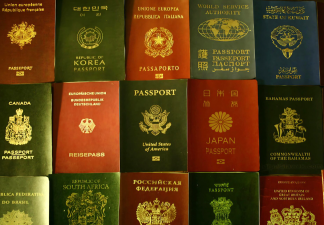
What makes each nation's identity unique?
- Historical and Civilizational Continuity:
The identity of many nations is rooted in long-standing historical traditions and accumulated civilization. For example, China, as a "civilizational state," bases its identity on five thousand years of continuous civilizational memory, such as ancestor worship ("descendants of Yan and Huang") and the concept of a unified empire. This historical continuity strengthens the stability of collective identity. In contrast, some nations' identities may place more emphasis on modern political contracts, such as legal identity based on constitutions and citizenship rights.
- Culture and Values:
National culture is an important marker of identity, encompassing elements such as language, religion, and customs. For example, cities like New York or Montreal develop a strong sense of community through unique cultural expressions (such as individualism or linguistic identity), and this cultural uniqueness becomes the cornerstone of identity.Multi-ethnic states also need to address the coexistence of diverse cultures, integrating ethnic and communal identities by satisfying identity motivations such as belonging, uniqueness, and defensiveness.
- Political System and Collective Identity:
A nation's political structure and institutional design directly influence the formation of identity. Western countries often maintain group bonds through legal contracts such as citizenship and voting rights, while countries like China emphasize the consciousness of a "civilizational community," strengthening identity through historical memory and cultural inheritance.In the context of globalization, nations need to balance international obligations with local values, further highlighting the uniqueness of their identity.
- Social Context and Dynamic Construction:
Identity is malleable and context-sensitive, influenced by social cues (such as institutions and historical events). For example, rapid urbanization may challenge traditional national identity, prompting urban spirit to become a new carrier of identity. Simultaneously, individuals dynamically construct their identities through cultural adaptation behaviors (such as upholding their own ethnic culture or integrating into mainstream culture), reflecting the integration process of multiple identities.
- Uniqueness and Comparative Perspective:
Each country's culture and history are unique combinations, just as different sounds, colors, and tastes constitute a rich whole. This uniqueness is not only reflected in internal diversity but is also highlighted through comparison with other countries, becoming a reference basis for identity recognition.
In conclusion
Nationality is a complex and multifaceted concept. It is not merely a legal identity, but also a convergence point of culture, history, and social relations. In this era of globalization, the meaning of nationality is evolving. We need to approach the various challenges and opportunities that nationality brings with a more open and inclusive mindset. In this process, understanding and respect are paramount, both for our own nationality and for the nationalities of others. Only in this way can we find ways to coexist in a diverse world and jointly build a harmonious society.